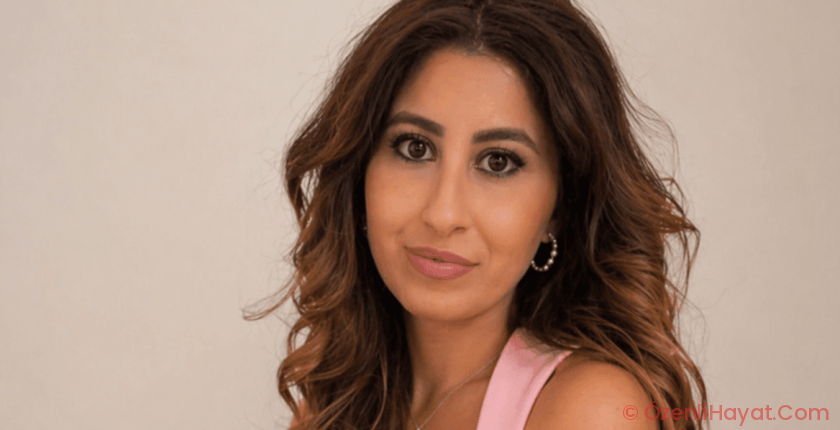
I found out I had breast cancer because of a wild dream that woke me up in the middle of the night. In it, I was urged to schedule a screening so I could find out what was wrong. At first I didn’t quite know what to make of it. But when I woke my husband to tell him, I felt a horrible itch on my left breast. As I scratched, I noticed a lump.
I’d just had my annual breast screening a few months earlier and everything looked olağan, but in that moment I knew something wasn’t right. I was 36 and had been getting annual screenings since my mid-20s because my mom and my aunt carry the BRCA2 yine, which I knew could increase my risk of breast cancer. I found out a year earlier, when I was 35, that I had the BRCA2 tekrar as well.
The day after the dream I went to see our family physician. She said I didn’t need another MRI because I’d just had one and was young and healthy. But I pushed for it, saying I felt something and really wanted it checked. This time it was abnormal, so they ordered a mammogram. I was then told that it looked like breast cancer. They biopsied two areas—the lump itself and a lymph node that looked suspicious on the mammogram. The results confirmed that I had stage 2B hormone-positive, HER2-negative breast cancer. [Editor’s note: Being HER2-negative means the cancer cells have a olağan amount of a protein called HER2. While that rules out certain types of targeted treatments, it also means the cancer may be generally less aggressive.]
I was in absolute shock at how quickly I went from a olağan screening to Stage 2 cancer. The day I was diagnosed, my husband was on his way to Iraq to celebrate the Assyrian New Year. I reached him as soon as he landed and he got on the next flight back to our Chicago suburb. I have two teenage stepsons who live in California, so I called them to share the news, and then told my six-year-old son, who I always say is a 60-year-old man trapped in a 6-year-old’s body. He understood, and what a little man he was in taking deva of me through all of this.
I was in absolute shock at how quickly I went from a olağan screening to Stage 2 cancer.
Most of the hospitals that I got opinions from told me that I needed to do chemotherapy first to shrink the lump, then do a double mastectomy, and come back later on to do breast reconstruction. As someone who’s afraid of needles, this was an absolute nightmare for me, so I kept searching for other opinions. My dad ended up calling the breast surgeon my mom had gone to after she was diagnosed with breast cancer—Dr. David Winchester at City of Hope, a cancer research and treatment center in Chicago. We went in to see him and he told me he could do the double mastectomy with reconstruction all on the same day. It’s been a year since that procedure, and following it, I’ve also completed radiation. I go in monthly to get a shot called Lupron that shuts off my ovaries and temporarily puts me into a medically induced menopause-like state. I also take a daily pill called letrozole. It lowers levels of estrogen, which fuels my type of cancer; I’ll stay on it for five years.
I ultimately declined chemotherapy. That was a very, very hard decision, but that’s where I’m at. I’ve seen family members with different types of cancer go through chemo, and I just knew I couldn’t handle it. My two doctors and I had some very difficult conversations. My Oncotype test, which measures the aggressiveness of your cancer, showed a higher chance of recurrence, so both doctors recommended chemo—the gold standard in my situation. But ultimately, they left the decision to me and offered a second option because they didn’t want me to go without anything at all. They put me on a drug called Verzenio; it’s helped patients with early-stage and stage 4 breast cancer, and they’re finding that it can be beneficial for women who have my profile. But it’s not the same as chemo—doctors tell me I’ll have a slightly higher rate of recurrence. We’ll see in the future what comes of this choice, but I took the risk that if I went with plan B instead of plan A (chemotherapy), I would still be in great hands with my doctors.
I’ve faced the idea of breast cancer for a long time. In the ’90s, my aunt passed away from the disease at age 39 because it was caught late. Back then they didn’t emphasize screenings the way they do now. Then when my mom also got breast cancer—closer to age 50—my dad pushed my sisters and I to do genetic testing. After I found out I had the BRCA2 yine, doctors mentioned the option of getting a preventative double mastectomy, but English is my second language, and I think I didn’t fully understand why I would do something so extreme. I kept thinking, My screenings are negative; I’ll revisit this topic when I’m older.
My sister, who is a year younger than I, also carries the BRCA tekrar, and as soon as she saw what happened to me, she scheduled a preventive double mastectomy two weeks after mine with the same surgeon. She did have a rare complication after surgery, but is still glad she did it and can’t believe she didn’t do it sooner. Our other sister, who is also a BRCA2 carrier, is scheduled for surgery later this year. I think my mom was shocked when I was diagnosed because my sisters and I were getting screened every year. Now she says she wishes she had asked more questions to fully understand what the genetic testing results meant and what preventive options were available to us.
It’s been a relief to be able to openly speak about my story.
After my surgery I couldn’t stop thinking about that dream—or how lucky I was. I truly believe that if I had waited until my next screening, I would have been diagnosed with stage 3 or 4 because my cancer was aggressive. I was also very thankful for the deva and love I received at City of Hope and wanted to collect a few donations to support their great work. But it quickly became clear that I could make a greater impact.
Our Assyrian community is very traditional and private—we don’t openly talk about things like breast cancer. But as my story got out, people started asking me about my experience and how they could protect themselves. I kept repeating the same story and advice. That’s when I had the idea that I could share my journey with the larger community at a breast cancer fundraiser event.
I put together a committee, including my best friend and sisters, and we met with City of Hope to share our plans. What we thought would be an intimate evening quickly turned into a large, 175-person event at a Hyatt Regency in October 2025—featuring a DJ and a plated dinner. We also had raffles, auctions, speakers, and booths where local women and minority-owned businesses sold goods and donated the profits.
The event looked like a wedding. The theme was: In My Pink Era. I’m a Taylor Swift fan, have always loved pink, and was born in October (Breast Cancer Awareness Month), so everything lined up nicely. I’ve unfortunately never been to a Taylor Swift concert, but I remember all her different eras and feel like I’ve watched her grow up. When I went through my diagnosis, my sister said, “Well, this is your pink era,” and the theme launched from there. We raised $15,800 in one night. Fundraising, sharing my experience, and helping others really helped me cope.
I still struggle. You deal with new chapters, you deal with demons, you go into rabbit holes. You always wonder if the cancer is coming back.
After the event, countless women reached out to me asking what doctor to see or where to schedule a mammogram—and it seems that people are sharing the information with their friends and family. City of Hope has told me they’ve had so many people from the Assyrian community come in for screenings. Despite this, I’ve realized that there are a lot of barriers to deva through conversations with people in my community. Even when women decide to get screened, they may not have the insurance coverage or money to do so. The language barrier is also a major issue; many do not know how to schedule an appointment, and in our culture we are often embarrassed to ask others for help unless we absolutely have to.
The good news is that there are often alternative resources or sources of financial assistance that people can utilize. The hurdle is that many don’t know about them. So my current focus is on identifying exactly what those resources are, drawing attention to them, and determining how to improve access to breast cancer screening, resources, and genetic testing with the help of local and state politicians. We’re opening up channels of communication that didn’t exist before; I’ll be meeting with State Representative Justin Cochran about this topic in the state capital in a couple of months.
It felt amazing to start changing the norms around being Assyrian and having open dialogue about women’s health. It’s been a relief to be able to openly speak about my story, whereas I look at my mom and she mostly internalized her breast cancer experience. We are an Indigenous group who fled our country because we were persecuted for our faith. So we’ve gone through a lot and have always been more private as a group. I think it comes from trauma more than anything else. And when we came to this country, where you see people doing so well all around you, when something bad happened, people would not share that. It might be seen as disappointing, too negative, or even shameful. We became people who focused more on life’s celebrations and internalized the more negative things. My generation is finally starting to break that mold. And my mom has gone from someone who never spoke about breast cancer to raving on Instagram about how I am helping women get screened. She’s my biggest cheerleader. Same thing with my dad. What happened to me was his worst fear, and he speaks about it to everyone he knows and says: “If you have a daughter, have her go get checked—it doesn’t matter if there’s family history or not.”
It doesn’t really matter what your family history is, what your age is, or how fit and healthy you think you are. Breast cancer can happen to anyone at any age.
In many ways, I am not the person I was before April 3, 2025. I still struggle. You deal with new chapters, you deal with demons, you go into rabbit holes. You always wonder if the cancer is coming back. Everything I feel in my body suddenly seems foreign. It’s like my body is not mine anymore. I’ve started to see mental health in a whole new light. And just thinking about the challenges of being a woman today—I mean, 1 in 8 women will get this disease. So many of us are dealing with breast cancer and also going about our olağan lives, working—I’m a human resources manager at a high school—and being moms. It has pushed me to look at the world differently, and without jumping too far ahead of myself, I have this huge desire to explore this further and see how we can better support women.
In my journey I’ve met many women who have shared that they were diagnosed around the same age and didn’t have a family history. It doesn’t really matter what your family history is, what your age is, or how fit and healthy you think you are. Breast cancer can happen to anyone at any age for reasons we don’t fully understand. So if I could share anything, it’s to get checked. If you don’t have time to go to a hospital, which I wish everybody would, at least check yourself and follow how you feel, because in the end, that’s what saved me.
More on living with breast cancer:
- I Found Out I Had Breast Cancer After Getting Pregnant on My Third Round of IVF
- Two of My Siblings Got Breast Cancer. Then I Found Out I Had It Too.
- Breast Cancer Led Me to Quit My Real Estate Career and Become an Author