The best sunscreens for acne-prone skin have come a long way. If you’ve been skipping SPF because of a greasy, pore-clogging formula you tried years ago, we have good news: Current options are lightweight, noncomedogenic, and completely residue-free. Glamour editors and contributors spent over a year testing dozens of the most widely recommended formulas for face and body, with input from leading dermatologists on exactly what to look for. After testing, our top pick is the La Roche-Posay Anthelios Light Fluid Facial Sunscreen because it’s dermatologist-recommended, has a feather-weight finish, calms inflammation, and gives you a radiant finish. It also has one of the best textures we’ve tried and absorbs quickly. Plus, you can wear it under makeup or other skin deva products without even noticing it’s there. But we tested other standout formulas, including tinted SPFs to help cover active pimples and ultrasheer consistencies that don’t leave a white cast or grease behind.
Our top sunscreens for acne-prone skin
- Best Overall: La Roche-Posay Anthelios Light Fluid Facial Sunscreen, $35
- Best Drugstore: Neutrogena Ultra Sheer Dry-Touch Sunscreen for Face & Body, $11
- Best for Oily Skin: Anua Zero-Cast Moisturizing Finish Sunscreen, $18
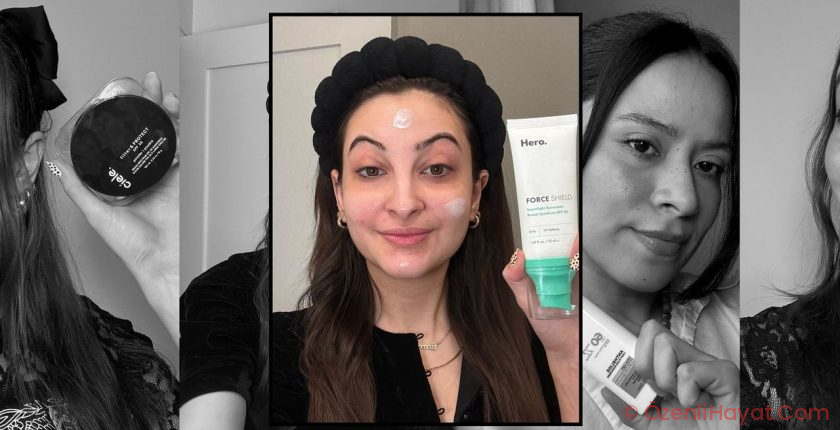
- Best for Redness: Hero Cosmetics Force Shield Superlight Sunscreen, $12
- Best for Body: Vacation Muhteşem Spritz Sunscreen Mist, $22
- Best Tinted Sunscreen: Supergoop Protec(tint) Daily Tint Sunscreen, $44
- Best Powder Sunscreen: Ciele Filter & Protect Loose Finishing Powder, $44
Frequently asked questions

- What should you look for in a sunscreen for acne-prone skin?
- Does SPF level matter when shopping for a sunscreen for acne-prone skin?
- Can sunscreen make your face oily?
- Does sunscreen make acne worse?
- Can you use sunscreen on fungal acne?
- What ingredients should you avoid in a sunscreen for acne-prone skin?
- What sunscreens are best for acne scars on skin?
- How we tested
- Meet the experts
Best Overall: La Roche-Posay Anthelios Light Fluid Facial Sunscreen (SPF 60)


La Roche-Posay Anthelios Light Fluid Facial Sunscreen (SPF 60)
Amazon
Ulta
| What we love: | What could improve: |
|---|---|
| Lightweight | Slightly tacky |
| Glowing finish | |
| Doesn’t clog pores |
Deborah Longwill, DO, FAOCD, a board-certified dermatologist and founder of the Miami Center for Dermatology, says this formula is popular among all of her patients. “It’s great for hydration and sun protection for all skin types and ages,” she says, noting that this particular product is both lightweight and oil-free. She also likes that it’s widely available in drugstores. It applies like a serum and absorbs quickly to a matte finish that doesn’t leave skin feeling greasy or sticky. It’s noncomedogenic, which means it won’t clog pores or lead to breakouts or congested skin—a dream for those who are consistently battling pimples. It made it to the top of our list because it’s the most versatile option, regardless of what kind of acne or sensitive skin you deal with. The bottle lasts a long time, and it’s readily available at your local drugstore, making it one of the more accessible picks we tested.
Glamour senior commerce editor Jenifer Calle says:
This La Roche Posay sunscreen is very silky and lightweight, and leaves behind a glowy finish. I have hormonal acne so when I need an acne-friendly SPF, I turn to this. It does take some time to really rub in, but evvel it does, my face feels very hydrated and radiant. The brand also has a tinted version for easier blending. —Jenifer Calle, Glamour senior commerce editor
Glamour commerce writer Alanna Martine Kilkeary says:
This ultralightweight sunscreen has definitely been friendly to my very acne-prone skin as of late. It has a super-silky texture that absorbs quickly, and I like that you don’t have to use a lot of it to reap the benefits. I notice that it helps calm areas where I’m really congested (particularly around my nose and chin) and helps reduce redness overall. My skin looks even-toned and matte after application, which is a huge plus. —Alanna Martine Kilkeary, Glamour commerce writer
Fast facts
- Active ingredient: Zinc oxide, titanium dioxide
- SPF: 60
- Oil-free: Yes
- Size: 1.7 fl. oz.
Best Drugstore: Neutrogena Mineral UltraSheer Dry-Touch Sunscreen (SPF 55)


Neutrogena Mineral UltraSheer Dry-Touch Sunscreen (SPF 55)
Amazon
Walmart
| What we love: | What could improve: |
|---|---|
| Water-resistant for up to 80 minutes | Some users noticed pilling |
| Absorbs quickly | |
| No sticky or greasy residue |
This Neutrogena formula is one of our favorite drugstore picks because it blends into the skin beautifully and doesn’t leave a white cast behind. It also contains vitamin E, which helps soften fine lines and reduce dullness and uneven skin tone, providing antioxidant protection. It’s fragrance-free, making it a great option for sensitive skin. We found it to be lighter weight and less greasy and oily compared to some of the other drugstore sunscreens we’ve tested. All that for $11? Sign us up.
Glamour’s Kilkeary says:
This lightweight sunscreen was a birçok surprise, since it gives off a luxury finish at a drugstore price. It’s muhteşem silky to the touch, blends in easily, and doesn’t leave a cast behind when I tried it. I was a fan of the product almost immediately because my makeup layered really nicely on top of it and didn’t skip or pill. My skin felt protected and hydrated all day too, and I’ll definitely be reaching for this on the daily as we get into warmer months. —A.M.K.
Fast facts
- Active ingredients: Titanium dioxide, zinc oxide
- SPF: 55
- Oil-free: Yes
- Size: 3 fl. oz.
Best for Redness: Hero Cosmetics Force Shield Superlight Sunscreen (SPF 30)


Hero Cosmetics Force Shield Superlight Sunscreen (SPF 30)
Amazon
Ulta
| What we love: | What could improve: |
|---|---|
| Lightweight | Can be drying |
| Nongreasy | |
| Great for redness and rosacea |
Korean sunscreen is renowned for being gentle, noncomedogenic, and a great base for makeup. And if you struggle with redness, this neat sunscreen has a trick up its sleeve. The color-correcting green formula hides active breakouts and gives the illusion of clear skin. This one has a really lightweight, gel-cream finish that dries down matte and helps absorb excess grease and shine. It’s water-resistant, too, making it a strong everyday option for inflamed or acne-prone skin.
Glamour’s Kilkeary says:
This one is really unique. It has a green tint (which may be off-putting to some at first, but stay with me here) and a creamy finish. It slides onto the skin effortlessly and dries down upon contact. I focused it on my most red areas—around my nose and on my chin. It acts as a great primer—there’s seriously no need to add another primer before you apply makeup. It leaves the skin velvety and silky, without a touch of oil or residue behind, and my redder areas appeared neutralized after the fact. —A.M.K.
Fast facts
- Active ingredient: Zinc oxide
- SPF: 30
- Oil-free: No
- Size: 3 fl. oz.
Best Tinted Sunscreen: Supergoop Protec(tint) Daily Tint Sunscreen (SPF 50)

.png)
Supergoop Protec(tint) Daily SPF Tint Sunscreen (SPF 50)
Amazon
Sephora
| What we love: | What could improve: |
|---|---|
| Absorbs seamlessly | Pricey for a small bottle |
| Covers pimples and hides discoloration |
A tinted sunscreen for oily skin is especially useful if you want to cover redness, blemishes, or the texture of pimples. This medium-coverage tint does just that and is so good, it can even replace a tinted moisturizer or foundation in your makeup routine. It also contains hyaluronic-acid-infused clay that hydrates skin and absorbs excess oil, for a soft, matte finish that doesn’t look flat. You only need about one to two pumps to cover your face, and it plays well with other makeup products. Something of note: The formula itself is not oil-free, and while that usually raises some red flags for acne-prone skin types, the pigmentation and coverage of this pick outweighs this.
Glamour senior social media manager Jazmin Gathers says:
It literally looks like skin. The coverage is light but buildable, and the color match is literal perfection. I tend to have oily skin, so I set it with a little powder, but I didn’t feel like the product itself was oily. I didn’t have to reapply it, and it gave me a natural glow without looking too shiny. —Jazmin Gathers, Glamour senior social media manager
Fast facts
- Active ingredients: Zinc oxide
- SPF: 50
- Oil-free: Yes
- Size: 1.18 fl. oz.
Best for Oily Skin: Anua Zero-Cast Moisturizing Finish Sunscreen (SPF 50)


Anua Zero-Cast Moisturizing Finish Sunscreen (SPF 50)
Amazon
| What we love: | What could improve: |
|---|---|
| No white cast | A little thick |
| Matte finish and nongreasy | Might pill if you use too much |
This lightweight Korean sunscreen is both oil-free and noncomedogenic, making it a strong pick for oily, acne-prone skin. Hyaluronic acid plumps fine lines and deeply hydrates, and panthenol softens skin and adds radiance, all while giving skin a genuinely dewy finish without tipping into greasiness. It’s also water-resistant, so you won’t have to worry about it slipping during the day. It’s a favorite for oily skin in particular because the formula leaves behind a soft matte finish all day.
Glamour’s Calle says:
This is a hydrating sunscreen that doesn’t leave me feeling greasy. I have a birçok glow after using it, and it’s gentle enough to wear on sensitive skin. I already had some breakouts when I tested this, and it felt soothing without irritating my skin. It’s also a cute bottle, but it is small, and with two finger-tip applications daily, I can see myself going through this product very fast. —J.C.
Fast facts
- Active ingredient: Avobenzone, homosalate, octocrylene, octisalate
- SPF: 50
- Oil-free: Yes
- Size: 1.69 fl. oz.
Best Powder Sunscreen: Ciele Filter & Protect Loose Finishing Powder (SPF 30)


Ciele Filter & Protect Loose Finishing Powder (SPF 30)
Amazon
| What we love: | What could improve: |
|---|---|
| Finely milled and noncakey | Only comes in three shades |
| Easy to reapply |
Powder sunscreen is a particularly smart choice for acne-prone skin because it can blur and soften areas of texture and inflammation due to active breakouts. This formula has a matte coverage that lasts all day and is also packed with good-for-your-skin ingredients like niacinamide to soften skin, vitamin E to protect against free radical damage, and other antioxidants to brighten and even skin tone. It gives off a natural, noncaked finish and is easy to bring with you on the go for touch-ups throughout the day.
Glamour’s Kilkeary says:
I really loved this loose powder even after trying it just a few times. The compact comes with a velvety cushion applicator that picks up just the right amount to sweep on your T-zone, cheeks, and chin. I also used this powder under my eyes to set my concealer and around my nose to correct redness. I wore it out to a rooftop barbecue and noticed that I barely had to touch up—my skin was fresh and shine-free even hours later. This pick will definitely become a staple in my summer skin deva routine. —A.M.K.
Fast facts
- Active ingredient: Zinc oxide, titanium dioxide
- SPF: 30
- Oil-free: Yes
- Size: 0.35 fl oz
Best for Body: Vacation Üstün Spritz Sunscreen Mist (SPF 50)


Vacation Muhteşem Spritz Sunscreen Face Mist (SPF 50)
Amazon
Nordstrom
Ulta
| What we love: | What could improve: |
|---|---|
| Suitable for all skin types | Dries so fast you have to be careful not to miss any spots |
| Entirely clear | |
| Dries quickly | |
| Great scent |
This spray sunscreen is a great pick for both face and body if you’re dealing with breakouts. The chemical sunscreen emits a superfine SPF 50 mist that practically disappears the moment it hits skin, so there’s minimal rubbing involved. The finish is lightweight, too, and doesn’t feel heavy on active breakouts or clog pores. It’s packed with skin deva ingredients suitable for both acne-prone and sensitive skin, including bisabolol, aloe, cucumber, shea oil, maracuja oil (hydrating agnes), caffeine and green tea (to depuff), and vitamin E, plus ferulic acid to even out skin tone and boost brightness.
Glamour’s Kilkeary says:
I carry this mist with me everywhere I go in the summertime. It’s so refreshing upon application, and I find that it does a great job of keeping my skin hydrated and protected throughout the day. I recently brought it along on a trip to Florida. I found myself spritzing my face and body with it, particularly on my back, where I was experiencing breakouts, every few hours in the 80-degree hot sun, and it didn’t irritate my skin. Instead, my skin looked calm and felt protected all day. —A.M.K.
Fast facts
- Active ingredients: Avobenzone, octocrylene, octisalate
- SPF: 50
- Oil-free: No
- Size: 2.2 fl. oz.
The sunscreens we skipped
- Another derm-recommended sunscreen we tested was EltaMD UV Clear Face Sunscreen. It’s lightweight and packed with skin-boosting ingredients like hyaluronic acid, niacinamide, and vitamin E. It’s also fragrance-free and noncomedogenic, so it won’t clog pores. While we’re a general fan of this SPF, we removed it from our list because it’s pricey and we found others that work just as well for under this price point.
- A drugstore pick we liked was the Cetaphil Derma Control Oil Absorbing Moisturizer With Sunscreen, which helps keep skin looking matte all day. It doesn’t leave a white cast and gives you a glowy finish, all while controlling oil. This pick didn’t make our final cut because the consistency is a little too greasy for our liking.
- The Innisfree Daily UV Defense Mineral Sunscreen is also another great color-correcting choice for those dealing with acne and breakouts. It’s lightweight and absorbs on contact, but we removed it from our best-of list because the tint can create a white cast on deeper skin tones.
Frequently asked questions
What should you look for in a sunscreen for acne-prone skin?
Choose noncomedogenic, oil-free, fragrance-free, and lightweight sunscreens that also contain acne-fighting and anti-inflammatory ingredients, such as lactic acid and niacinamide, says Blair Murphy-Rose, MD, FAAD, a board-certified cosmetic and medical dermatologist at California Skin Institut. And while you’re peeping those ingredient labels, skip anything with thick emollients such as coconut oil, mineral oil, beeswax, and silicones. “These ingredients are more likely to clog pores and flare up acne breakouts, particularly in warmer months,” says Azadeh Shirazi, MD, FAAD, a board-certified dermatologist and founder of La Jolla Dermatology in California. “Instead, look for hydrating ingredients like glycerin or hyaluronic acid.”
Look for a mineral sunscreen as well. “Chemical sunscreens that have ingredients like avobenzones can cause pimples in sensitive, acne-prone skin,” says Hadley King, MD, a board-certified dermatologist in New York City. It’s also important to avoid ingredients such as cocoa butters, oils, and isopropyl palmitates, as these can also be irritants.
Does SPF level matter when shopping for a sunscreen for acne-prone skin?
Look for a sunscreen with at least SPF 30, as studies have found that it will block 97% of the sun’s UVB rays, says Dr. King. “I therefore generally recommend using a sunblock that has SPF 30 or higher. But it is important to keep in mind that you will need to reapply every two hours or after swimming or sweating to maintain the SPF,” she says.
Pooja Rambhia, MD, a board-certified dermatologist based in New Jersey, says SPF is especially important for people with acne-prone skin. “Patients with acne often develop post-inflammatory hyperpigmentation, and adequate sun protection is essential to prevent darkening of these spots,” she says. She also recommends opting for tinted sunscreens if you have acne, as they help mask post-inflammatory discoloration: “This gives patients immediate cosmetic benefits all while protecting their skin.”
Can sunscreen make your face oily?
Yes. Particularly formulations with heavy emollients.“This occurs when the sunscreen interferes with the skin’s natural oil balance or adds too much product to already oily skin,” says Dr. Rambhia. She recommends choosing oil-free, gel-based, or mineral formulations to help prevent this issue while still providing adequate protection.
Does sunscreen make acne worse?
No, according to Hope Mitchell, MD, a board-certified dermatologist and founder of Mitchell Dermatology in Ohio. “It’s a myth that sunscreen will make acne worse. In fact, not using sunscreen can delay healing, worsen breakouts, and lead to more dark spots,” she says. The key is finding the right formula that provides protection with a lightweight, noncomedogenic finish. “If you’re using acne treatments like retinoids or exfoliants, sunscreen is nonnegotiable,” she says. “It protects your progress and helps you maintain healthy, glowing skin.”
Can you use sunscreen on fungal acne?
Yes, but check the ingredient list. “People with fungal acne should look for lightweight sunscreens that avoid certain oils, fatty acids, and esters that may feed Malassezia yeast,” says Jenna Queller, MD, a board-certified dermatologist and founder of Derm Works. She notes that mineral sunscreens with zinc oxide are better tolerated because they tend to have simpler formulations.
What ingredients should you avoid in a sunscreen for acne-prone skin?
While it’s important to know what ingredients you should look out for in the best sunscreens for acne-prone skin, it’s just as important to know what to avoid. “Chemical sunscreens that have ingredients like avobenzones can cause pimples in sensitive, acne-prone skin,” says Dr. King. It’s also important to avoid ingredients such as cocoa butters, oils, and isopropyl palmitates, as these can also be irritants.
What sunscreens are best for acne scars on the skin?
All sunscreens and sun deva products are extremely important for acne scars, particularly post-inflammatory hyperpigmentation, because UVA/UVB exposure can deepen discoloration and prolong scar appearance, says Dr. Queller. “I often recommend mineral sunscreens that contain zinc oxide and tinted formulas with iron oxides, which can also help protect against visible light that contributes to pigmentation.” You can also look for formulas that contain antioxidants, such as vitamin C, to help correct discoloration and brighten skin. Most importantly, you should be using a broad-spectrum SPF every day to combat all signs of aging and scarring.
How we tested
During evaluations, we assessed all of the most important attributes of a great sunscreen: ingredients, consistency, finish, scent, and—of course—how well the product actually prevents sunburn by blocking UV rays. We looked for noncomedogenic ingredients, meaning they won’t cause breakouts or clogged pores. We opted for sunscreens that were ultralight and oil-free, had little to no fragrance, and dried down quickly without leaving a sinema or white cast behind. We also looked for options that were easy to reapply (like powders) and could be smoothly layered with makeup. The best sunscreens for acne-prone skin didn’t irritate our existing pimples or create new ones—instead, they made our complexions look clarified, even-toned, and bump-free.
Meet the experts
- Deborah Longwill, DO, FAOCD, founder of the Miami Center for Dermatology
- Hadley King, MD, board-certified dermatologist in NYC
- Blair Murphy-Rose, MD, FAAD, board-certified cosmetic and medical dermatologist at California Skin Institute
- Jenna Queller, MD, board-certified dermatologist and founder of Derm Works
- Gretchen Frieling, MD, triple board-certified dermatopathologist in Boston
- Marisa Garshick, MD, board-certified dermatologist at MDCS Dermatology in New York City
- Azadeh Shirazi, MD, FAAD, board-certified dermatologist and founder of La Jolla Dermatology in California
- Pooja Rambhia, MD, board-certified dermatologist in New Jersey
- Hope Mitchell, MD, board-certified dermatologist and founder of Mitchell Dermatology in Ohio