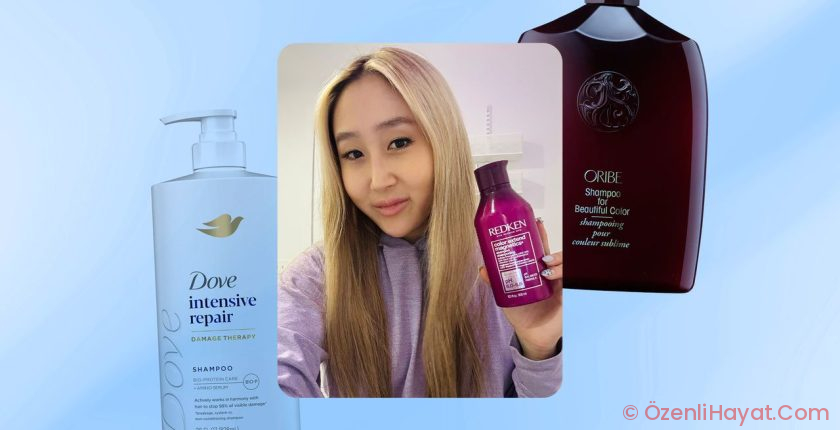
As a proud unnatural blonde of over 5 years, I learned that the best shampoos for color-treated hair are key to long-lasting vibrancy and shine. A color-safe shampoo and conditioner keeps my color looking fresh for months. The experts we spoke to agree: To prevent fading, moisture- and vibrancy-preserving formulas are non-negotiable. That comes down to ingredients more than anything else. As Elle Medico, hairstylist, colorist, and founder of UMI Salon, points out, many traditional shampoos rely on sulfates, alcohol, and even sodium chloride (salt)—all of which can strip the hair of moisture and rough up the cuticle, leading to faster fading. Instead, she recommends looking for gentle cleansers with ceramides to help repair the hair barrier, proteins and amino acids to strengthen, and hydrating ingredients that keep color sealed into the cuticle. To help you find the right formula, we consulted professional colorists and tested dozens of top-rated options. Below, the ones that stand out for preserving color while still leaving hair soft, shiny, and manageable—exactly what you want from a daily shampoo.
Our top shampoos for color-treated hair
- Best Overall: Redken Color Extend Magnetics Shampoo, $56
- Best for Balayage: IGK More Life Color Extend Shampoo, $32
- Best for Shine: Oribe Shampoo for Beautiful Color, $49
- Best Drugstore: Garnier Fructis Hair Filler Ceramide Color Repair Shampoo, $9
- Best for Dry Scalp: CeraVe Gentle Hydrating Shampoo With Ceramides, $13
Best Overall: Redken Color Extend Magnetics Shampoo

.png)


Redken Color Extend Magnetics Shampoo
Amazon
| What we love: | What could improve: |
|---|---|
| Moisturizing formula | May weigh down finer hair types |
| Maintains tone and vibrancy |
If you regularly dye your hair, it’s incredibly important to use a moisturizing shampoo that’s sulfate-free, says celebrity hairstylist Marc Ballance. While sulfates function as cleansing agents to help wash away dirt, oil, and buildup, they can also strip color and cause dryness. Though most of the options on this list are sulfate-free, this one has the added benefit of being packed with proteins that strengthen hair while giving it that clean, glossy finish. Our testers with color-treated hair agree and praise the color preservation.
Glamour contributor Hana Hong says:
“I tend to rotate through a lot of shampoos, but this is one I keep coming back to when I want my color to actually last. It gives that clean feeling without making my hair feel stripped, which is usually where things go wrong for me.” —Hana Hong, Glamour contributor
Glamour contributor Jennifer Hussein says:
“My hair feels so soft and smooth after using this shampoo. I use it when my hair is feeling particularly crispy after too much heat styling or after a root touchup.” —Jennifer Hussein, Glamour contributor
Fast facts:
- Key ingredients: Cranberry oil, citric acid, glycerin
- Sulfate-free: Yes
- Size: 33.8 oz., 10.1 oz., 1.7 oz.
Best for Balayage: IGK More Life Color Extend Shampoo
.png)
.png)


IGK More Life Color Extend Shampoo
Amazon
| What we love: | What could improve: |
|---|---|
| Brightens color | Thicker, coarser hair types may need a more hydrating shampoo |
| Hydrating Formula | |
| Minimizes Frizz |
Balayage is all about dimension—those soft, blended highlights only look expensive if they stay glossy, toned, and frizz-free. This shampoo stands out here because it enhances that multi-tonal effect rather than flattening it out, keeping lighter pieces bright while smoothing the overall hair texture so everything looks polished. It’s less about dramatic repair and more about maintaining that “freshly glossed” finish in between appointments, which is exactly what balayage needs to avoid looking dull or grown out too quickly. “This was developed by stylists who live and breathe color every day,” says Ballance. “It hydrates, protects, and leaves your hair feeling salon fresh between appointments.” Beyond adding a professional gloss-level shine, the hydrating ingredients and special color-locking polymers help extend the vibrancy of your latest color treatment.
Glamour contributor Mary Honkus says:
“My hair practically sparkled after one wash with this shampoo. I typically refresh my red mane every five weeks, but with this, I’ve been able to push off my regular appointment by two extra weeks. Plus, the conditioner doubles as a nourishing hair mask.” —Mary Honkus, Glamour contributor.
Fast facts:
- Key ingredients: Color-locking polymers, botanical gloss complex, squalane
- Sulfate-free: Yes
- Size: 33.8 oz., 8 oz.
Best for Shine: Oribe Shampoo for Beautiful Color
.png)
.png)
.png)
Oribe Shampoo for Beautiful Color
Amazon
| What we love: | What could improve: |
|---|---|
| Color-preserving | Expensive |
| Repairs damaged hair |
When color-treated hair starts to look dull, it’s usually not the color itself—it’s the loss of shine. This shampoo earns its spot because it targets both: it helps smooth and seal the cuticle (which is what allows hair to reflect light evenly) while also protecting against the oxidative stress that can make color look flat over time. Professional colorist Jennifer Korab says that this formula can also help repair damage. The antioxidant-rich blend of ginger root and baobab extract helps defend against environmental stressors, while hydrolyzed vegetable protein reinforces weakened strands so they feel softer and more uniform—two things that directly impact how glossy your hair looks.
Glamour’s Hong says:
“My hair feels smoother right out of the shower, and evvel it’s dry, it has that soft, reflective finish that makes color look fresher without needing a gloss or styling product. It’s definitely a splurge, but it gives that just-left-the-salon effect that’s hard to replicate at home.” —H.H.
Glamour’s Honkus says:
“After using this for a few weeks, I can confirm the hefty price tag is totally worth it. Not only does my red hair feel silky soft, but my ends also look healthier, and my auburn hue appears richer—so much so that I’ve been able to skip my reparative bond-building mask. Who knew just shampoo could make such a difference?” —M.H.
Fast facts:
- Key ingredients: Ginger root extract, baobab tree extract, hydrolyzed vegetable protein
- Sulfate-free: Yes
- Size: 33.8 oz., 8.5 oz.
Best Drugstore: Garnier Fructis Hair Filler Ceramide Color Repair Shampoo

.png)
Garnier Fructis Hair Filler Ceramide Color Repair Shampoo
Amazon
| What we love: | What could improve |
|---|---|
| Affordable; strengthens damaged hair | May not feel rich enough for very coarse hair |
| Helps maintain color |
Drugstore shampoos have come a long way, but this one stands out because it actually targets the structural damage that comes with coloring—not just the surface-level fading. It’s formulated with ceramides, which help fill in gaps along the hair cuticle, making strands feel smoother and more sealed. That matters for color-treated hair, since a compromised cuticle is what allows pigment to slip out faster, leaving color looking dull or uneven. According to Medico, ceramides are one of the key ingredients to look for in a color-safe shampoo because they help restore the hair barrier and lock moisture—and color—back into the strand. This formula does exactly that, pairing gentle cleansing with lightweight repair so hair doesn’t feel stripped after washing. It’s not overly heavy or conditioning, but for something at this price point, it delivers noticeably softer, healthier-looking hair while helping extend the life of your color.
Glamour’s Hong says:
“My ends tend to get dry pretty quickly after coloring, and this helped them feel less rough without weighing everything down. It doesn’t feel overly rich, but it makes my hair look healthier and a little more polished, which is really all I want from an everyday shampoo.” —H.H.
Fast facts:
- Key ingredients: Ceramides, conditioning polymers, glycerin
- Sulfate-free: Yes
- Size: 12.5 oz
Best for Blonde Hair: Olaplex No.4P Blonde Enhancer Toning Shampoo
.png)

Olaplex No.4P Blonde Enhancer Toning Shampoo
Amazon
Sephora
| What we love: | What could improve: |
|---|---|
| Neutralizes brassiness in blonde hair | Can stain if overused |
| Supports damaged hair |
Blonde hair tends to fade faster—and often less gracefully—than other shades, which is why a toning shampoo like this is essential if you want to keep that fresh-from-the-salon look for as long as possible. You’ll probably find yourself scheduling more frequent touch-ups unless you have a trusty color-depositing purple shampoo in your shower caddy to keep you looking icy and fresh. What makes this one stand out is that it goes beyond just neutralizing brassiness: it’s formulated with Olaplex’s bond-building technology, which helps reinforce weakened hair bonds that are typically compromised during bleaching. The result is hair that not only looks brighter, but also feels stronger, smoother, and less brittle over time—something most purple shampoos don’t even attempt to address. Don’t let the deep violet shade scare you—the color neutralizes brassy tones to keep all shades of blonde extra bright.
Glamour senior commerce editor Jenifer Calle:
“When I used to get balayage highlights, I would push back my hair appointments thanks to this purple shampoo. It minimized the appearance of orange hues. The purple is potent, but don’t worry, it doesn’t stain.” —Jenifer Calle, Glamour senior commerce editor
Fast facts:
- Key ingredients: Violet toning agents, coconut-oil-derived surfactants, citric acid
- Sulfate-free: Yes
- Size: 33.8 oz., 8.5 oz.
Best for Damaged Hair: Dove Shampoo Intensive Repair for Damaged Hair
.png)
Dove Shampoo Intensive Repair for Damaged Hair
Amazon
| What we love: | What could improve: |
|---|---|
| Strengthens weakened hair | Not sulfate-free |
| Improves softness | |
| Budget-friendly |
Color-treated hair and damage tend to go hand in hand, especially if bleach or frequent heat styling is involved. This shampoo earns its spot because it focuses on reinforcing the hair structure with proteins and amino-based ingredients, helping strands feel stronger and less prone to breakage over time. It’s less about preserving tone and more about improving the overall condition of your hair so color looks healthier as a result. Medico specifically calls out proteins and amino acids as key for color-treated hair, since they help support keratin production and strengthen compromised strands. That’s exactly where this formula delivers—it helps smooth rough ends, reduce that “fried” feeling, and make hair more manageable without requiring a full repair system. It’s not the most lightweight option, but for hair that feels overprocessed or fragile, it makes a noticeable difference in softness and resilience.
Glamour’s Hong says:
“This is one of those shampoos that makes your hair feel instantly softer, especially if it’s been through a lot. My ends can get really dry after heat styling and color, and this helps smooth them out so my hair feels more manageable overall. It’s not the lightest formula, but when my hair feels extra brittle, this is the kind of shampoo I want to reach for.” —H.H.
Fast facts:
- Key ingredients: Amino serum, conditioning agents, protein complex
- Sulfate-free: No
- Size: 12 oz, 20 oz
Best for Dry Scalp: CeraVe Gentle Hydrating Shampoo With Ceramides
.png)
CeraVe Gentle Hydrating Shampoo With Ceramides
Amazon
| What we love: | What could improve: |
|---|---|
| Soothes dry scalp | Doesn’t deeply cleanse heavy buildup |
| Gentle cleansing | |
| Fragrance-free |
A dry scalp can make color-treated hair even harder to manage, since you’re balancing hydration at the root with maintaining softness through the lengths. This shampoo stands out because it treats the scalp more like skincare, using ceramides and niacinamide to support the skin barrier while still gently cleansing the hair. It’s a subtle shift, but one that makes a big difference if your scalp feels tight, flaky, or irritated after washing. Medico recommends hydration and barrier support when it comes to preserving color, since dryness can lead to a rougher cuticle and faster fading. This formula leans into that with a low-key, non-stripping cleanse that doesn’t disrupt the scalp environment. It won’t give you that üstün squeaky-clean feeling, but that’s kind of the point—your hair and scalp feel calm, balanced, and hydrated, which ultimately helps color look healthier over time.
Glamour’s Hong says:
“My scalp gets dry pretty easily, especially in colder months, and this is one of the few shampoos that actually makes it feel more comfortable instead of more stripped. It’s very gentle and doesn’t foam a ton, but my hair still feels clean afterward. I wouldn’t use it if I had a lot of buildup, but for everyday washing, it keeps both my scalp and hair feeling balanced.” —H.H.
Fast facts:
- Key ingredients: Ceramides, niacinamide, hyaluronic acid
- Sulfate-free: Yes
- Size: 12 oz
Best for Lightening: John Frieda Go Blonder Shampoo
.png)
John Frieda Go Blonder Shampoo
Amazon
| What we love: | What could improve: |
|---|---|
| Gradually enhances lighter tones | Can lead to brassiness |
| Affordable | Results vary |
| Easy to use |
Lightening shampoos sit in a slightly tricky category—they’re designed to subtly brighten hair over time, but they don’t work the same way as toning or color-safe formulas. This one is meant to gradually enhance lighter tones, making blonde or highlighted hair appear a bit brighter with continued use, especially when paired with heat styling. It’s an easy, low-effort way to nudge your color in a lighter direction without committing to a full salon visit. That said, results can be inconsistent. Medico points out that formulas like this can sometimes lead to brassiness rather than true brightness, depending on your starting color and hair condition. It’s less of a controlled toning product and more of a gradual enhancer, which means it works best if your hair already leans blonde and you’re just looking for a subtle boost. If your color is already faded or uneven, a gloss or toner will likely give you more predictable results.
Glamour’s Hong says:
“I was curious about whether this would actually make a difference, and while it does subtly brighten over time, it’s not as controlled as a toning shampoo. My hair looked a bit lighter after a few uses, but I also noticed some warmth coming through, so it’s something I’d use carefully. It’s easy to incorporate into your routine, but I wouldn’t rely on it if you’re trying to maintain a very specific tone.” —H.H.
Fast facts:
- Key ingredients: Citrus extract, chamomile, lightening agents
- Sulfate-free: No
- Size: 8.45 oz
Best for Curly Hair: Curlsmith Essential Moisture Shampoo
.png)
Curlsmith Essential Moisture Shampoo
Amazon
| What we love: | What could improve: |
|---|---|
| Hydrates thick and curly hair | May feel too rich for very fine hair |
| Improves curl definition | Pricier than drugstore options |
Curly hair and color-treated hair need the same thing—moisture—but curls take it a step further. This shampoo earns its spot because it cleanses without disrupting curl pattern or stripping away the natural oils that keep curls defined and springy. Instead of leaving hair squeaky-clean (which can translate to dry and frizzy), it maintains that soft, hydrated baseline curls need to actually hold their shape. “It cleanses gently while preserving the hair’s natural oils, which helps maintain curl definition and softness,” says celebrity colorist Abby Haliti. “This is a great choice for curls that feel dry but still need effective cleansing.” The formula works up into a soft, creamy lather that removes buildup effectively.
Fast facts:
- Key ingredients: Avocado oil, coconut oil, sunflower oil, shea butter, botanical extract blend (rose of Jericho, andiroba, aloe vera, sage, rosemary, basil)
- Sulfate-free: Yes
- Size: 12 fl oz.
Frequently asked questions
What ingredients should you look for in a shampoo for color-treated hair?
If you’ve ever flipped over a shampoo bottle and felt like you were reading another language, you’re not alone. But when it comes to color-treated hair, stylists say it’s often just as important to look at what’s not in your formula as what is.
“As a colorist in NYC, I get asked this question a lot,” says Medico. “Fortunately, many companies now highlight the ingredients they don’t include—like sulfates, alcohols, and sodium chloride.” Those are the big three to watch out for: sulfates can be overly stripping, alcohol can dry out both the inner and outer cuticle, and sodium chloride (aka salt) can pull moisture out of the hair, all of which can lead to faster fading.
Instead, Medico recommends looking for shampoos with gentle cleansers that won’t over dry the hair, along with ingredients like ceramides to help repair the cuticle, proteins and amino acids to strengthen, and hydrating agents that help keep color sealed inside the hair shaft. Low-pH formulas and UV protectors can also make a noticeable difference over time, especially if you’re spending a lot of time in the sun or washing frequently. The goal isn’t just clean hair—it’s maintaining the integrity of the cuticle so your color actually stays put.
Is there anything you can do if your hair color has faded from washing?
First, know that some fading is inevitable—but how quickly it happens often comes down to daily habits. “Washing hair frequently, swimming in pools and the ocean, and sun exposure are the biggest reasons for natural hair fading,” says Medico. One of the easiest fixes is simply spacing out wash days when you can—she suggests using dry shampoo every few days to help extend the life of your color.
If you know you’re going to be in the sun or water, a little prep goes a long way. Applying a deep conditioner or hair oil to dry hair before swimming can help create a barrier that minimizes how much water—and chlorine or salt—your hair absorbs. It’s a small step, but it can make a noticeable difference in preserving both color and overall hair health.
If your color has already faded, the quickest way to refresh it is with a gloss. “A lot of my clients book a 15-minute gloss between their color appointments to refresh their look with no damage and lots of extra shine,” Medico says. While there are at-home gloss options, she cautions that they’re still chemical treatments and can backfire if not chosen correctly. When in doubt, a quick salon visit is usually the safest way to bring your color back to life.
How are shampoos for colored hair different from any other shampoo?
“Shampoos designed for color-treated hair are typically free from harsh sulfates and chemicals that strip color,” says Ballance. “They’re formulated to cleanse gently without drying out hair or dulling your tone, helping your color stay vibrant and glossy for longer.” If you can’t find a formula specifically for colored hair—good thing you’re reading this!—you can also opt for any shampoo that’s sulfate-free, adds Dimitris Giannetos, hairstylist and L’Oréal Paris Ambassador. “Sulfates will cause your color to fade more quickly,” he says.
How can you keep your hair color from fading?
There are quite a few ways you can prolong your color, and one of the best ways is by adjusting your shampoo routine. Beyond using a shampoo for color-treated hair, Ballance says his number one rule is avoiding washing your hair for “at least two days after your color treatment.” This allows the color to settle in and seal properly. Hair colorist Kylie Bussing agrees on waiting at least 48 hours before washing your freshly colored hair because it “gives the cuticle time to fully close and lock in pigment,” she says. “Your new color needs some setting time, like fresh paint that needs to dry before touching. Washing too soon can cause unnecessary fading or uneven tone.” If you need a refresh before then, she suggests a cool water rinse or a gust of dry shampoo.
When it comes time to cleanse, he recommends shampooing less than you usually would—about two to three times a week max. “Shampooing too frequently strips your natural oils—and your color. Use lukewarm or cool water instead of hot, too, because hot water opens the hair cuticle and dulls your color.”
Korab adds that evvel you’re out of the shower, small hair deva tweaks help. Be mühlet to use a heat protectant when heat styling your hair to keep your hue vibrant. “Sun exposure can also dull your color, so wear a çizgi or use UV-protectant hair products when outdoors,” she says. And if you feel like your color is looking a little lackluster, Giannetos recommends incorporating an at-home gloss into your routine. “It adds beautiful shine and is a great pick-me-up in between your professional color appointments.”
How often should you wash color-treated hair?
Every expert agrees that the less you wash your hair, the better. “Ideally, wash your color-treated hair two to three times a week,” says Ballance. “This preserves the color vibrancy and keeps your strands healthy.” Keep in mind that your lifestyle plays a major role too. If you find that your scalp produces a lot of oil, try to use a dry shampoo to extend the time between wash days. It will be better for your color (and wallet) in the long run.
If you have concerns like persistent scalp itchiness, buildup at the roots, flat or limp volume, or dull, even color, Haliti says you might not be washing your hair often enough. “A healthy scalp is essential for healthy hair, and buildup can interfere with how products and treatments perform,” she adds.
Is purple shampoo good for color-treated hair?
Haliti says that purple shampoo can be great for color-treated hair, but only if it’s used correctly. “It’s designed to neutralize unwanted yellow tones in blondes and grays, not to replace a regular shampoo,” she says. “Overusing it can lead to dryness or a dull finish.” She suggests using it evvel per week at most and alternating with a nourishing, color-safe shampoo.
Tips for choosing a color-safe shampoo based on your hair color
Ballance says that all color-safe shampoos will work regardless of your hair color. The only thing to be cognizant of is toning shampoos. If you’re blonde and dealing with brassiness, purple or silver shampoos will restore your icy hue. Brunettes should use a blue-toned shampoo to neutralize any red tones. With red hair, a red-toned shampoo prolongs vibrancy so you can extend the time between dye jobs.
How we tested
We started by focusing on color-safe, sulfate-free formulas with conditioning ingredients like glycerin, ceramides, oils, and plant extracts to help replenish moisture lost during coloring. From there, we tested hairstylist-recommended shampoos on color-treated hair over multiple washes, paying attention to how each one performed both immediately and over time.
We also considered texture and format—whether a formula was lightweight and easy to rinse for finer hair or rich enough to support dry, damaged strands. Ultimately, we narrowed it down to the standouts based on how well they preserved vibrancy, extended time between salon visits, and improved overall softness, smoothness, and shine.
Meet the experts:
- Elle Medico, a professional hair colorist and founder of UMI Salon
- Jennifer Korab, a professional hair colorist
- Abby Haliti, a professional hair colorist
- Kylie Bussing, a professional hair colorist
- Dimitris Giannetos, hairstylist and L’Oréal Paris Ambassador