I was on a phone call in September 2024 the first time I noticed some moisture on my chest. I thought it was weird but figured maybe I just didn’t dry off enough after my shower. Over the next few days, it kept happening: little spots on my bra that seemed like discharge from one of my ducts. The liquid ranged from clear to cloudy to bloody. The blood was what really freaked me out.
As one does I ran to the internet, which told me that bloody discharge from a single duct could be a sign of breast cancer. But I tried to keep in mind that I was only 29. Maybe it was something else—I have PCOS, so my hormones are a mess, and at the time I also had COVID, which I came down with after an especially fun weekend at a music şenlik with friends. (I asked the internet if COVID could cause bloody nipple discharge; it was inconclusive.)
I knew I needed to see my family doctor, but in Nova Scotia, Canada, where I live, the health system is overwhelmed, leading to long delays. The earliest appointment available was in late October, so I booked it. While I waited I kept noticing more bloody discharge and kept searching for answers online. My anxiety was getting worse, so when my mom had an appointment with our doctor a couple of weeks before mine, I crashed it.

Realizing how worried I was, our doctor moved up my appointment and filled out the forms I needed to see a specialist at the breast-health clinic in my city. Still, he kept telling me I was young, this was likely nothing, and we would be laughing about it at our next appointment. Even if he was just trying to calm my anxiety, I felt annoyed and a bit angry he was brushing off my concerns.
As I waited to hear from the breast clinic, I kept spiraling and going down Google rabbit holes. I couldn’t stop thinking, This is something.
Playing the waiting and self-advocating game
A few weeks later, I still hadn’t heard from the breast clinic, so I followed up. Turns out the staff never received my referral. I couldn’t help but feel like no one was taking my situation seriously. I thought, I’m not too young. Something is wrong. Let’s get this moving. Finally, I got an appointment with a specialist scheduled for mid-December, which meant another month and a half of waiting.
In the meantime life went on. I was working on establishing my own company, having left a toxic job a few months earlier. I had just taken over running a local community-building group, Halifax Gals and Pals, with a few of my friends. I was hosting events for the Taylor Swift fan group I run, Atlantic Canada Swifties, with my best friend, Sarah. I was getting ready for the Eras Tour in Toronto. Everything seemed mostly olağan, aside from my lingering symptoms and nagging intuition that something was off with my body.
When I finally got into the breast-health clinic, they started with an ultrasound. The imaging revealed some thickening in my breast tissue, which can indicate anything from an infection or cyst to (rarely) cancer. Then I got a mammogram, which also showed changes in the breast tissue, but they still couldn’t tell what was causing my symptoms. I left with no real answers but was told they still didn’t think it was cancer but would refer me to a surgical team just to make mühlet.
A few months passed, and I heard nothing about the referral. I followed up with my doctor and was told my appointment with the surgeon was set for the end of April 2025.
Though the surgeon also didn’t think it was cancer, she acknowledged that my symptoms meant something was definitely wrong. She suggested a surgery to remove the ducts between 9 o’clock and 12 o’clock on my left breast but said she wanted to run a few more tests beforehand to get a better understanding of what was going on.
The surgeon sent me for an MRI, which felt like it happened alarmingly quickly, given how slowly everything had moved up to that point. My doctor said the MRI “lit up,” meaning they saw several areas that appeared brighter on the image, which generally indicate things like high blood flow and inflammation. However, they didn’t see any lumps. According to the Breast Imaging Reporting and Veri System, which categorizes imaging results on a scale of 1 to 6, my score was BI-RADS 4C, which meant there was about a 50% to 95% chance I had cancer. At that point I was really freaking out.
The plan was still to move forward with the duct surgery to remove whatever was causing my symptoms—cancer or not. But because the MRI showed areas of concern, I needed a biopsy to determine whether cancer was present and how urgently I required surgery.
The medical team numbed the area with lidocaine, made a small incision in my skin, and inserted a needle attached to a vacuum-powered instrument, which allowed them to take several tissue samples.
They got what they needed, but my body didn’t react well. I ended up vomiting and passing out during the process. After that I thought, They better tell me what’s wrong immediately because I never want to see that vacuum machine again in my lifetime. The pathology came back clear, meaning no cancerous cells were found in the biopsied area. This led us to believe the discharge, which was still happening, was due to benign papillomas (noncancerous tumors that can develop in the milk ducts).
Taking a break for my mental health
While I knew I still needed to have the duct-removal surgery, my physical and emotional endurance was quickly fading. After eight months of being poked and prodded, with very few answers and a growing sense that something was truly wrong, my mental health was at an all-time low.
My 30th birthday was coming up, and I had so many fun plans for the summer: tickets to catch Tenille Townes at two festivals, friends visiting, and a long-awaited trip to Prince Edward Island to see Shania Twain and Lainey Wilson headline Cavendish Beach Music Festival—things I really didn’t want to miss out on. And with everyone around me constantly saying I probably didn’t have cancer, the surgery didn’t seem quite as pressing.
I realized I had to improve my mental health first. Otherwise, I didn’t know how I would physically and emotionally recover. So I asked my doctors to schedule the surgery sometime after the summer—after my birthday, after the concerts, and after my new anxiety meds kicked in. They agreed, and we decided on October 10.
As the surgery date approached, I went into nesting mode, getting my house ready for recovery and prepping some meals to have on hand. I was still üstün anxious, but I was in a much better headspace. Even though I was glad I took that time for my mental health, my intuition was still there in the back of my mind, telling me: They’re going to find something.
A diagnosis 13 months in the making
At the end of October 2025, nearly three weeks after my duct-removal surgery, I went in for a checkup, and one of the nurses asked how my mental health was that day. She said she noticed I was there alone, but my pathology results had just come back. Was I up for having that conversation?
One hundred percent. Tell me what’s going on, I thought.
I had breast cancer: ductal carcinoma in situ (DCIS), grade 2. DCIS is considered stage 0 cancer, which means it hasn’t spread into the breast tissue outside of the ducts. DCIS is graded from 1 to 3 based on how aggressive the abnormal cells appear to be, with 2 being intermediate. It’s possible that the benign papillomas identified on the biopsy obscured those cells and that the samples didn’t reach the exact area where the cancer was hiding, which could explain the negative test results.
Even though my surgeon had removed a good portion of the ducts, my medical team was concerned with the possibility that the initial surgery left behind other papillomas that could also contain cancerous cells, so they suggested a mastectomy of my left breast. They could coordinate with a plastic surgeon to do reconstruction at the same time, and they didn’t think I would need further treatment after that.
All I could think was: My intuition was right. My medical team seemed surprised that I wasn’t more upset, but honestly, I felt validated. It was like everyone was catching up to what my body had been telling me this whole time. I was relieved to hear it was stage 0 and we caught it early. But I was left wondering, What’s next?
I’m the captain now.
I spent hours researching my options and watching TikToks from other women who had been through this. Given my age and fears of recurrence, I opted for a bilateral mastectomy and DIEP flap surgery, a type of breast reconstruction that uses your own skin and fat from your lower abdomen instead of implants. One of the plastic surgeons told me it was the easiest consult he’d ever had, since I came in already knowing exactly what I wanted.
Even though I was panicking, I tried to stay as empowered as possible. I reminded myself: I’m the captain of the ship. This is my body. This is the surgery I have to live with. Looking back I’m so glad I was already on antianxiety medication at that point. And despite the delays, I’m glad I live in Canada, where all I really paid for was a few small prescription-dispensing fees at my local pharmacy (and a big new freezer for all the meals I prepped before my duct removal procedure).
I had a 10-hour mastectomy on February 12, 2026. My breast surgeon came in wearing a Life of a Showgirl scrub cap and had me sign my consent form with an “In My Swiftie Era” pen. The next day one of the residents doing my follow-up came in playing Taylor Swift. Little personal touches like that made me feel truly seen, heard, and cared for.
Becoming one of eight
I work in experiential marketing and community building, but this is one community I never expected to join. Despite not sharing much about my journey publicly as I was going through it, I found so much support and information in corners of the internet where others were telling their stories.
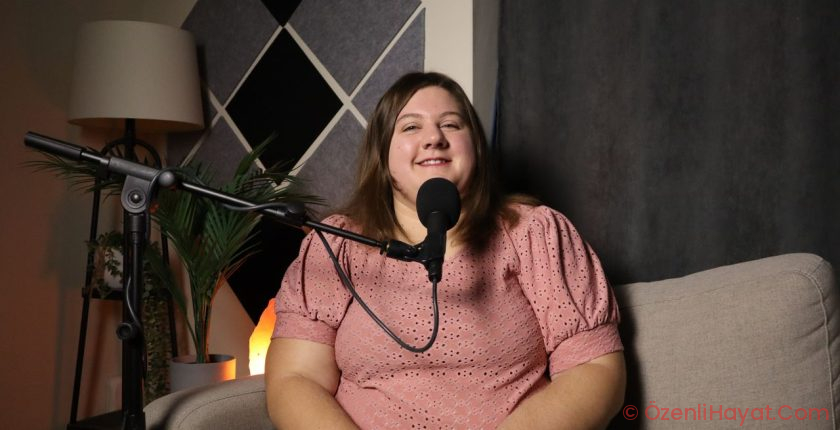
When the time was right, I knew I wanted to add my story to the mix in case it could help someone else struggling to get answers. My podcast, One of Eight, explores everything I’ve learned throughout this long and complicated process. The name is based on the fact that roughly one in eight women in Canada will develop breast cancer in their lifetime.
Today I’m proud that I advocated for myself and stayed as informed as I could. And I want other women to know that even if your doctor says you aren’t old enough for a mammogram or don’t need to see a specialist, you can still push for what you think you need if your body is telling you something isn’t right. Trust your intuition. You know your body best.
More on breast cancer and treatment options:
- 10 Breast Cancer Symptoms (Besides Lumps) That Everyone Should Know About
- 22 Celebrities Whose Lives Have Been Touched by Breast Cancer
- Are Mammograms Enough?